

Repairs
Leadwork in Powys and Ceredigion
Flashings, valleys, chimney trays, parapet gutters and lead-covered flat roofs, formed and dressed in the right code of lead.
Lead is what keeps the water out where a roof changes direction or meets something else: a chimney, a wall, a dormer, a valley, a parapet. The Georgian townhouses of Brecon, Montgomery and Aberaeron and the Victorian villas of Llandrindod Wells carry a great deal of it, and most of the leaks in those buildings start where the lead has cracked, crept or been replaced with cement. Tell us where the water is coming in and we pass it to a roofer who works in lead.
What leadwork involves
Flashings and soakers
Stepped flashings up a chimney or wall, soakers under each course of slate, and a front apron: cut, dressed and wedged into the joints, then pointed. Code 4 for flashings, code 5 where the lead is walked on or takes a lot of water.
Valleys
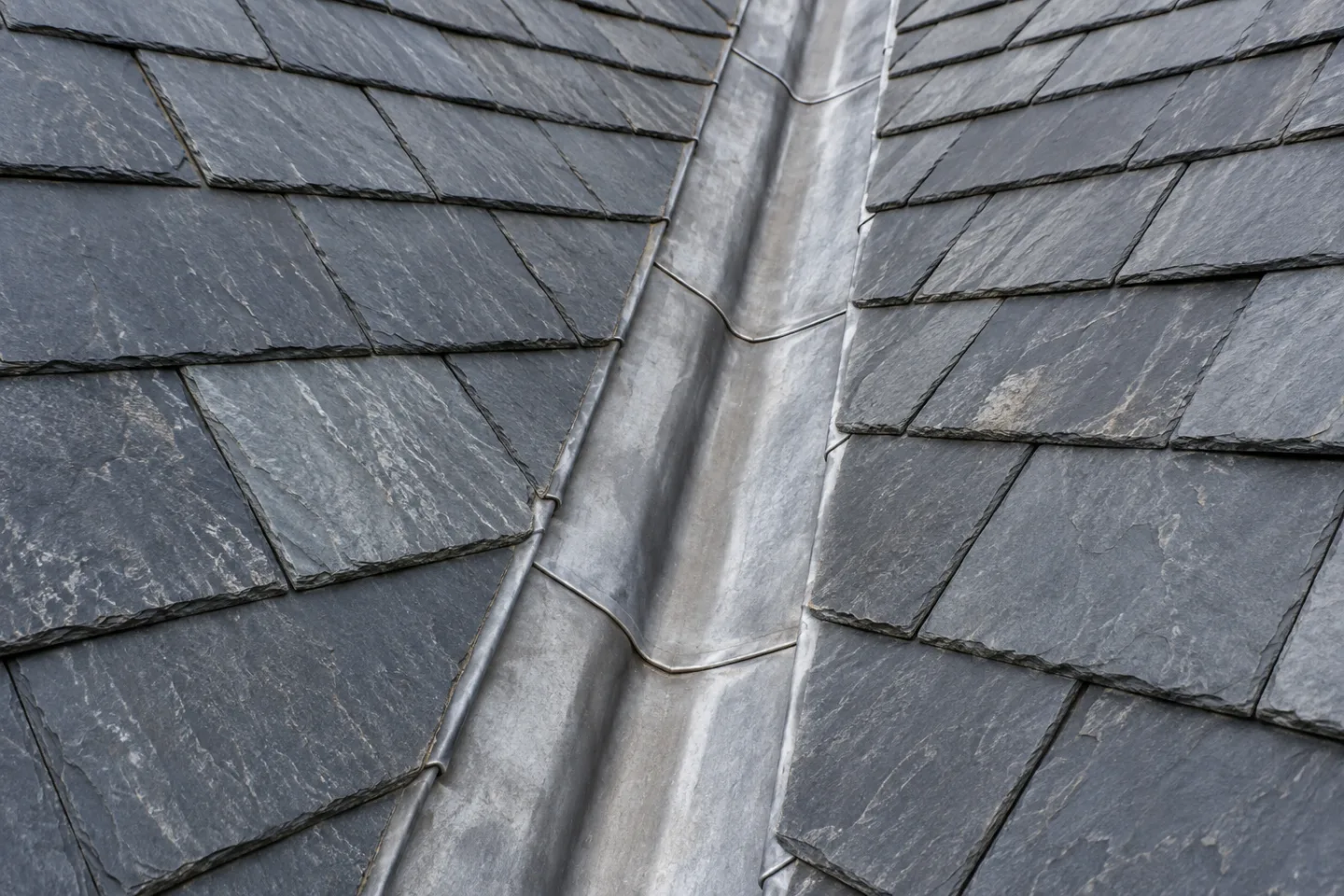
An open lead valley carries the water from two slopes and is the hardest-working piece of lead on the house. It is laid in short lengths with laps so it can move, and a valley laid in one long piece will crack within a few winters.
Parapet and hidden gutters
The Georgian houses on the coast have gutters behind parapets that nobody sees until the ceiling below stains. Re-lining them in lead with proper drips and outlets is skilled work and stops a leak that no amount of roof repair will find.
Lead flat roofs and dormers
Bay windows, porches and dormer tops are often lead-covered, and a properly formed lead roof with welted joints and rolls lasts far longer than felt.
How it works through us
Describe where the leak shows and what the roof looks like above it. We pass it to one local roofer with leadwork experience, who quotes the job in writing. Free to use.
Standards
Leadwork is specified by code (thickness) and the Lead Sheet Training Academy publishes the sizes and fixing details a roofer should be working to. Ask which code is being used and why; a quote that says only "new lead flashings" is not a specification.
Everything else we do
Not quite the job you have?
Roof replacement
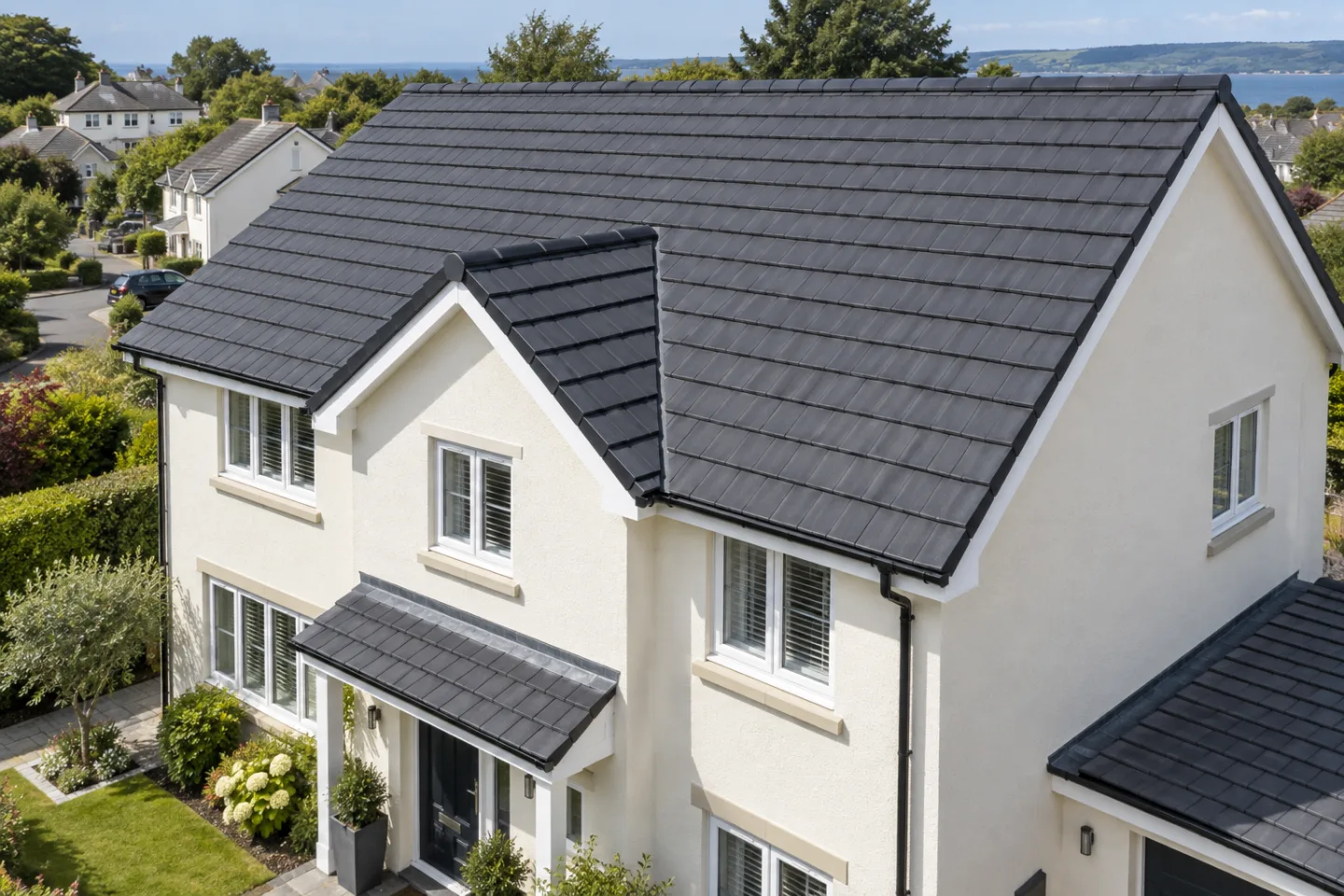
A full re-roof: the old covering stripped, the timbers checked, new membrane and battens, and slate or tile laid back on. For roofs that have reached the end.
Learn more →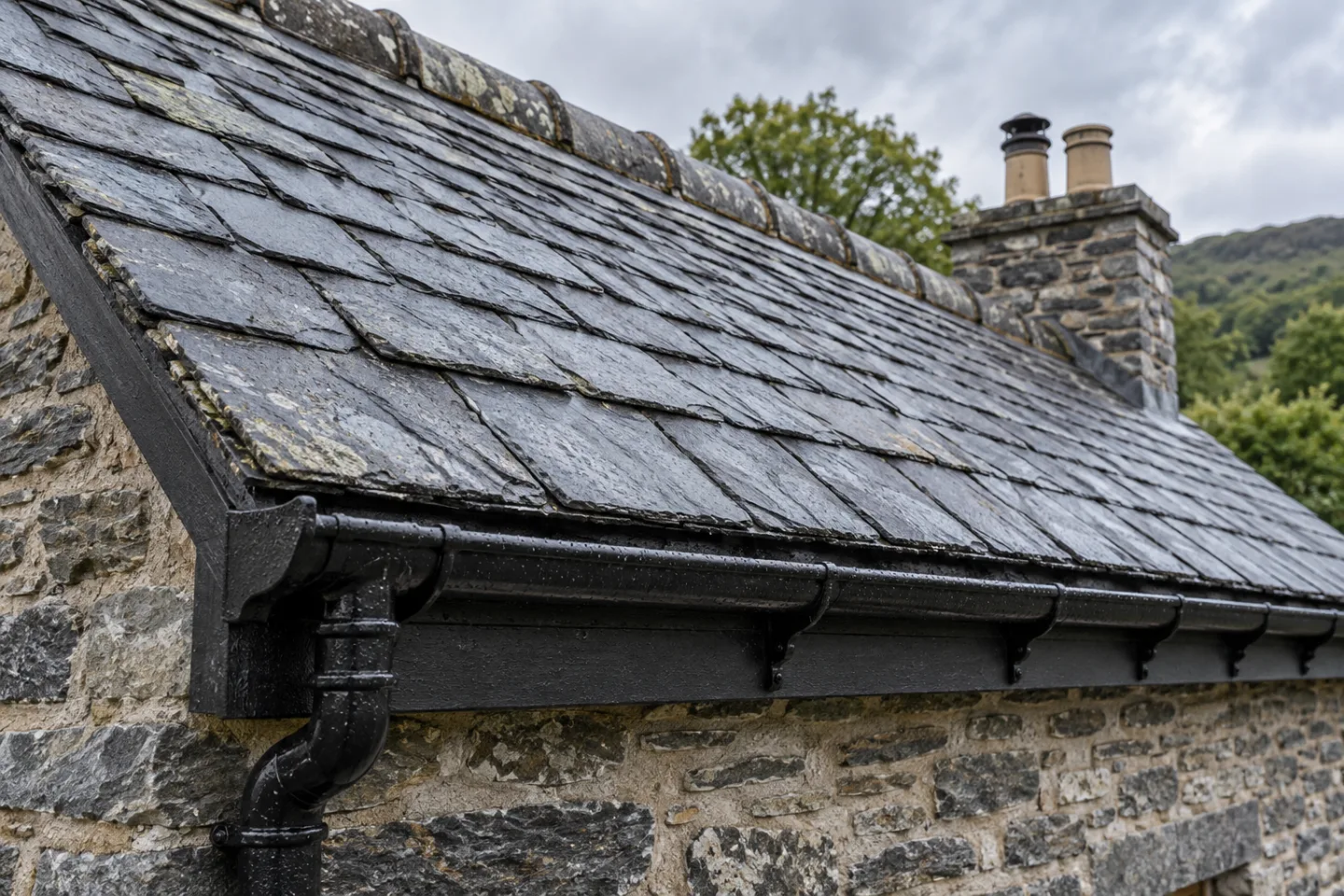
Slate re-roofing
Re-slating with natural Welsh slate, re-laying the sound originals and matching the new. The roof most of this region was built with, done properly.
Learn more →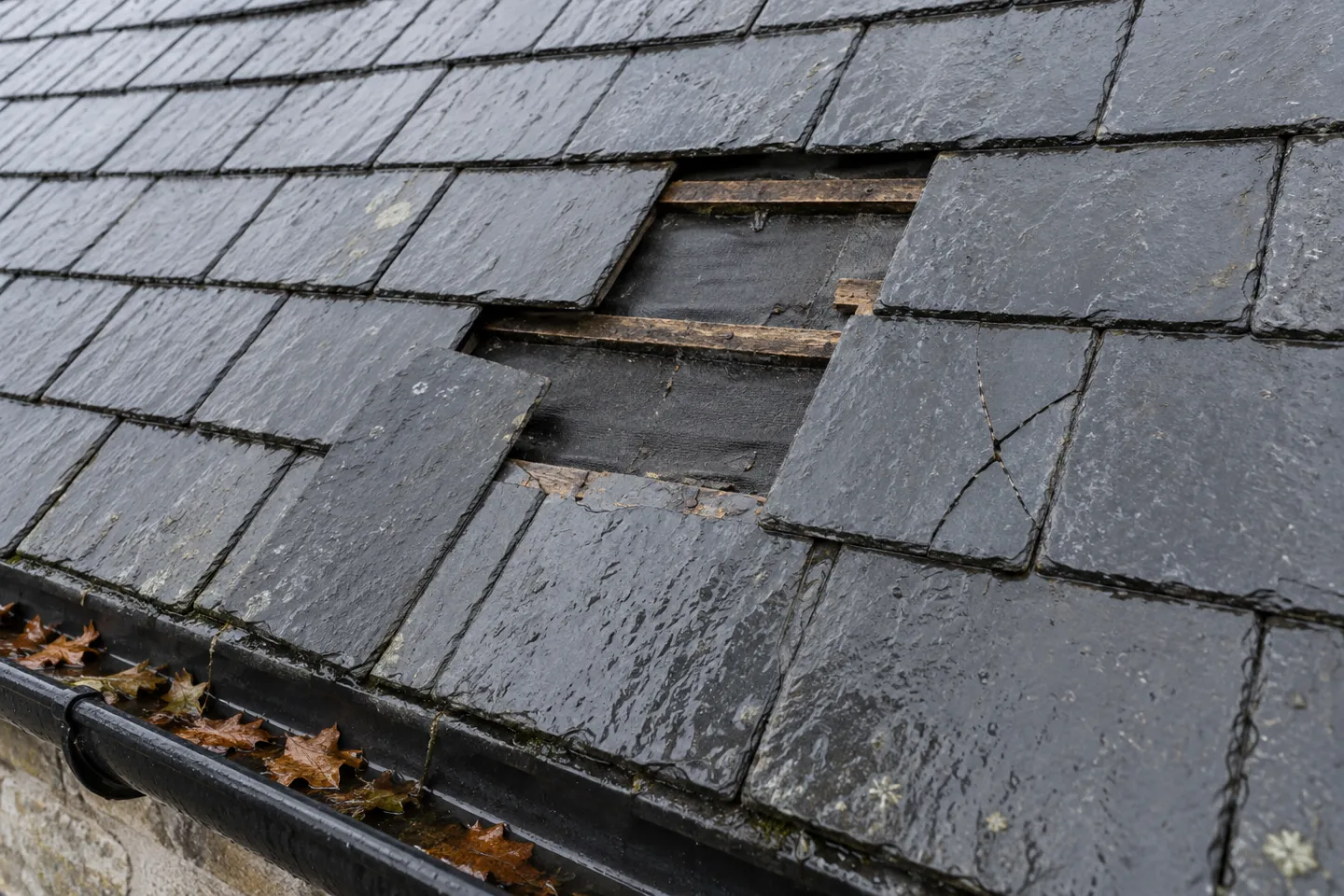
Storm damage roof repairs
Slipped and missing slates, lifted ridges, torn felt and blown-off flashings after a gale. Made safe, then repaired, with the paperwork an insurer wants.
Learn more →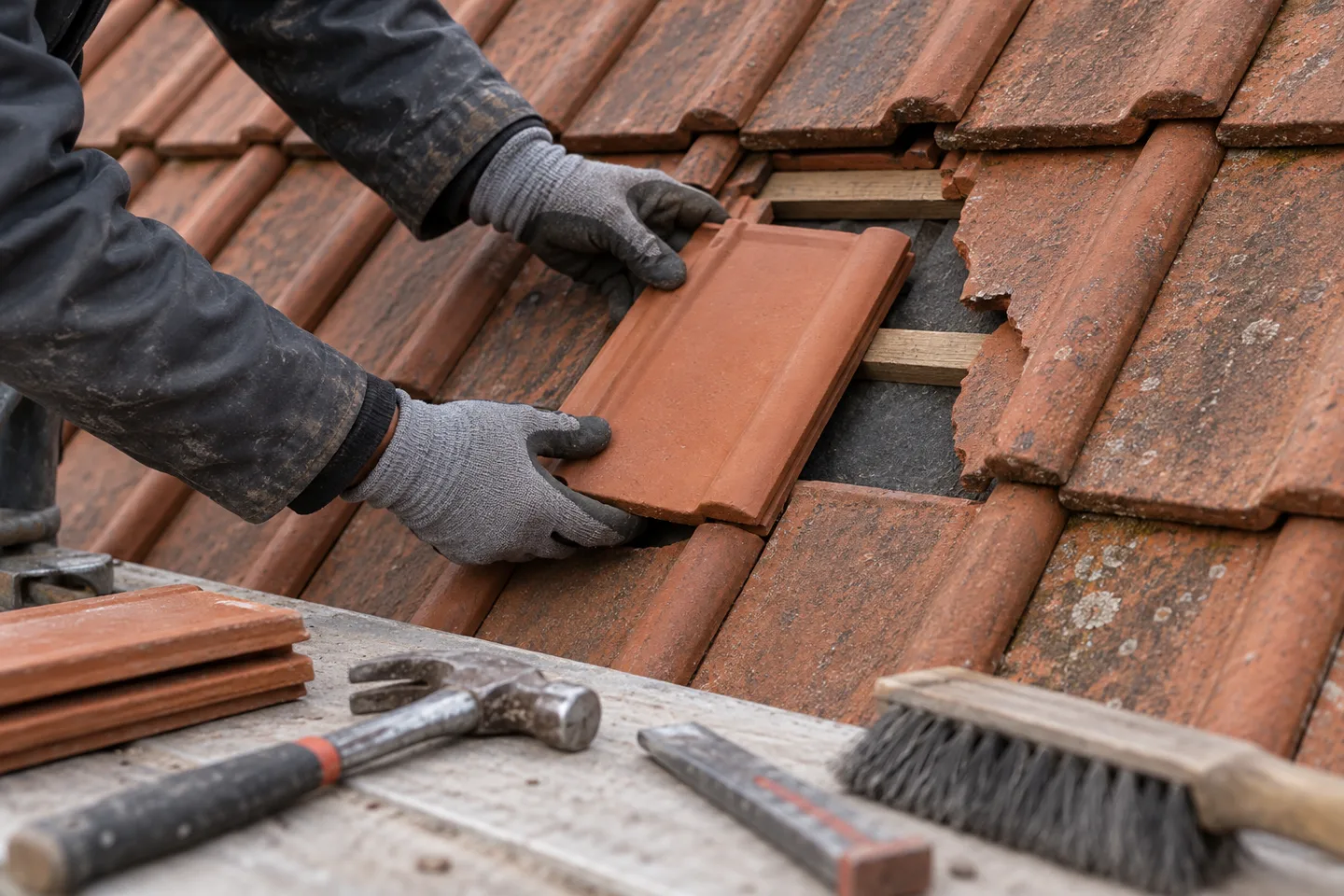
Roof repairs
Leaks, slipped slates, broken tiles, failed flashings and blocked valleys. Small repairs done properly by a roofer who covers your town.
Learn more →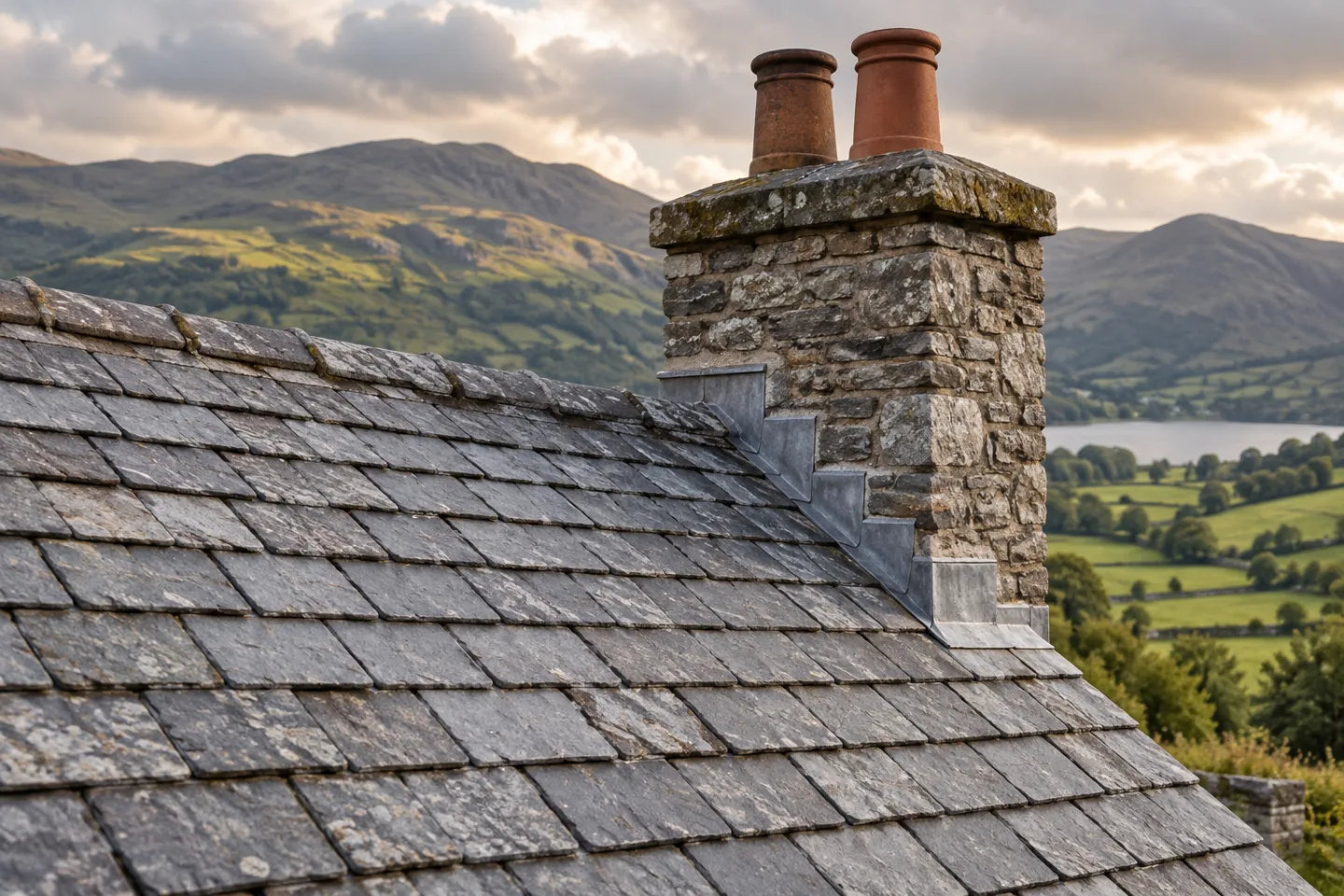
Chimney repairs and rebuilds
Repointing, re-flaunching, new pots and cowls, lead trays and flashings, and taking a stack down and rebuilding it when the brick or stone has gone.
Learn more →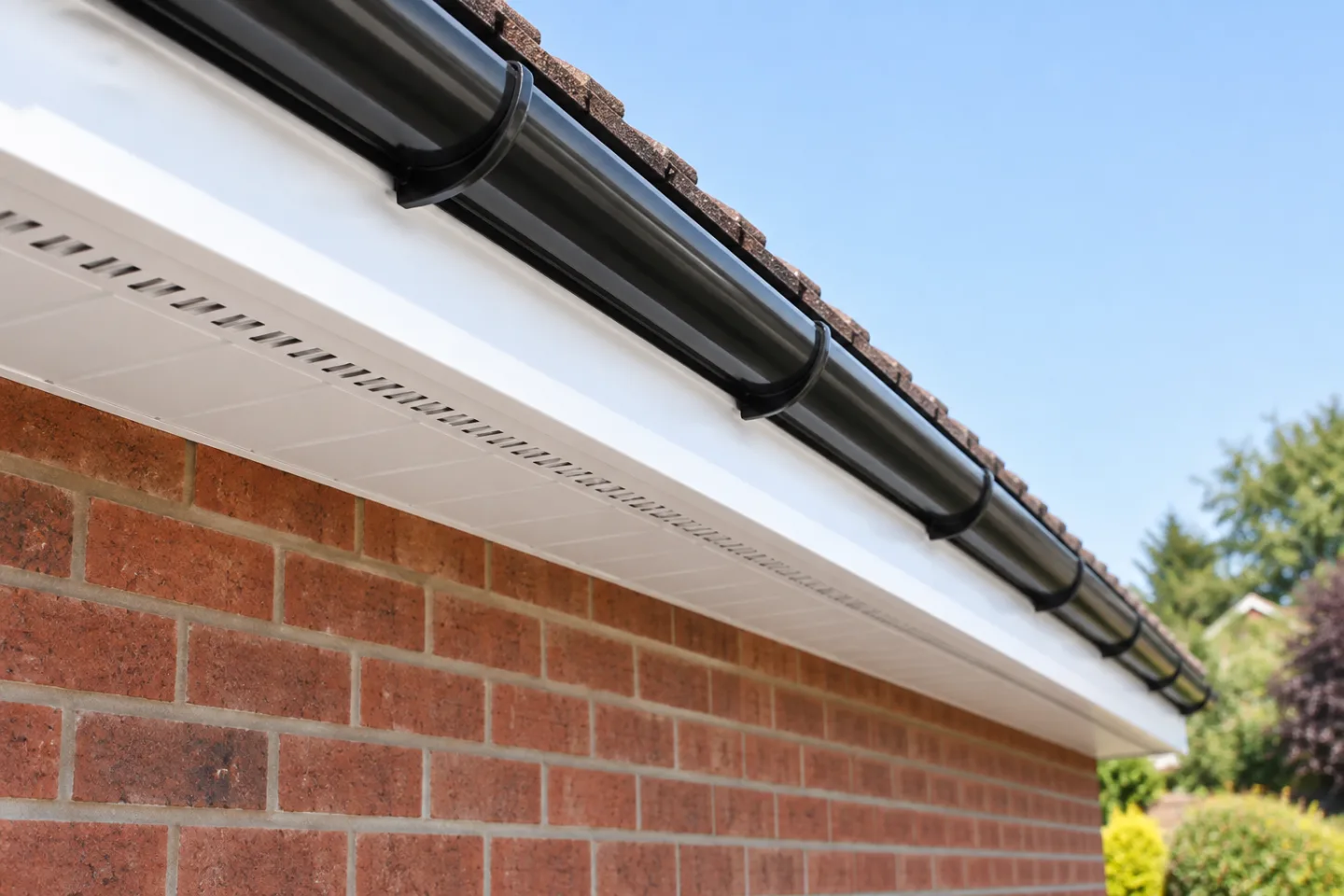
Fascias, soffits and guttering
Rotten timber roofline replaced in uPVC or new timber, gutters cleared, re-aligned or renewed, and downpipes sorted so the walls dry out.
Learn more →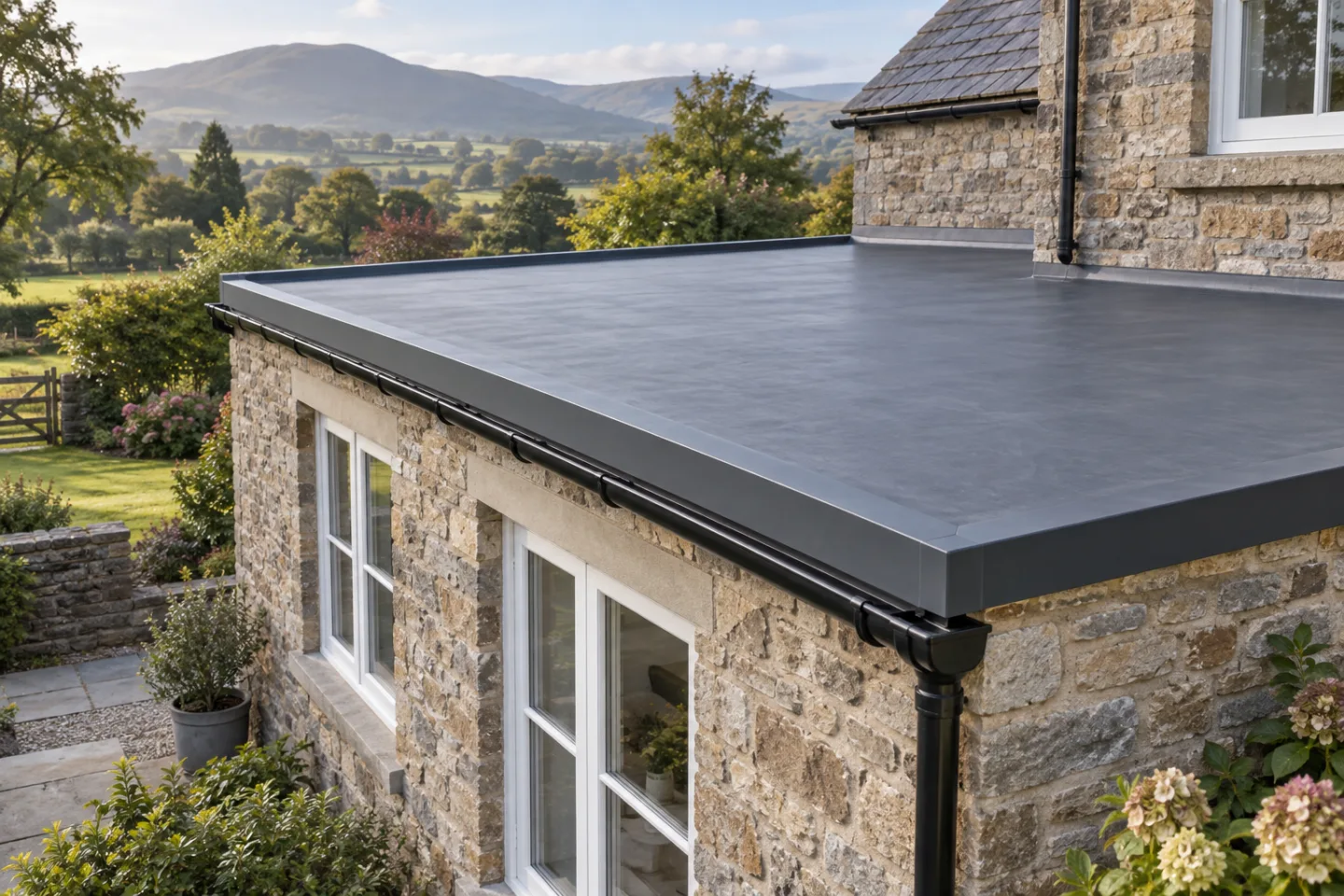
Flat roof replacement
New flat roofs in GRP fibreglass, EPDM rubber or felt for extensions, garages, dormers and porches, with the deck and the falls checked first.
Learn more →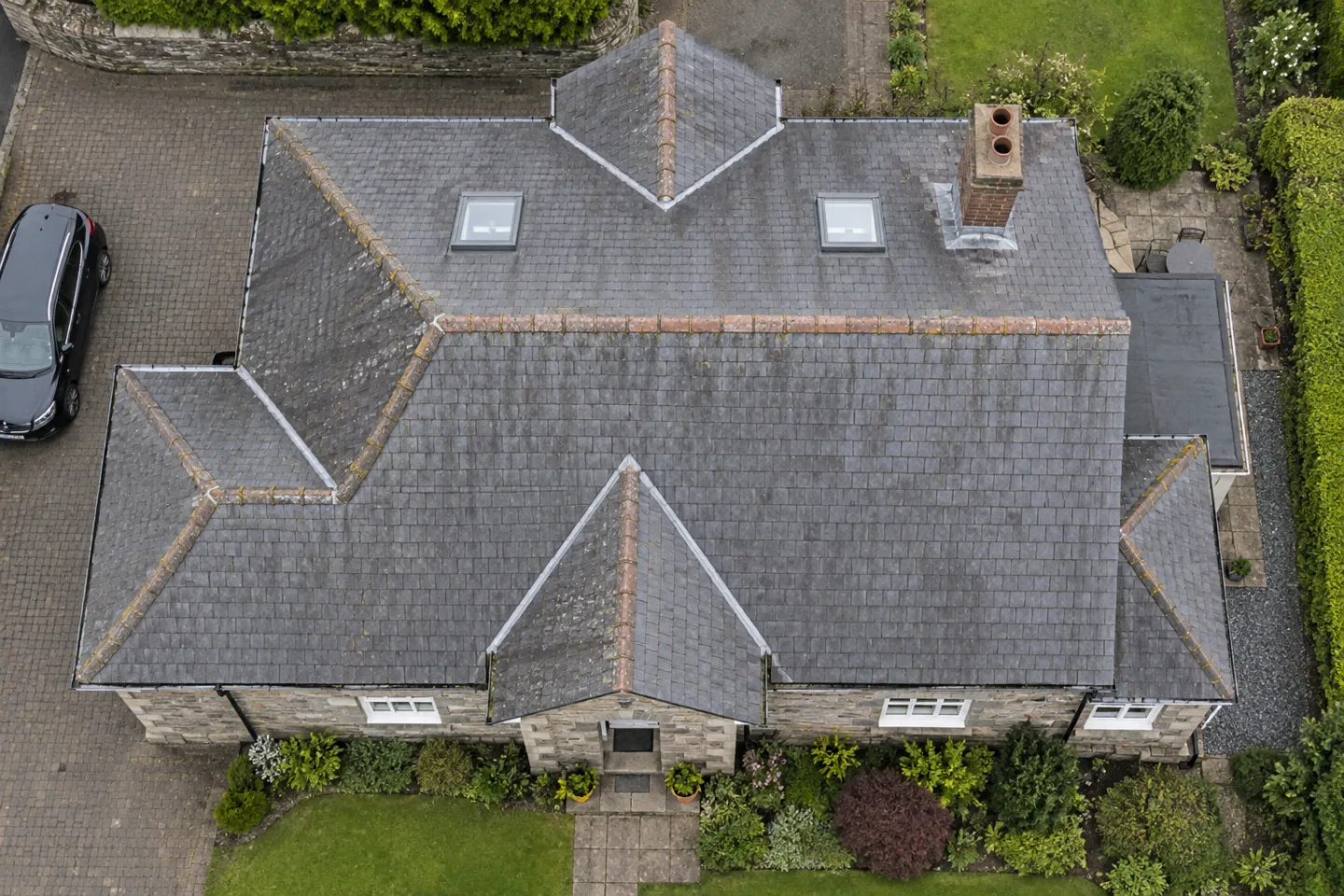
Roof surveys and inspections
An independent look at a roof before you buy, before you claim, or before you spend: what it is made of, what is failing and what it will cost.
Learn more →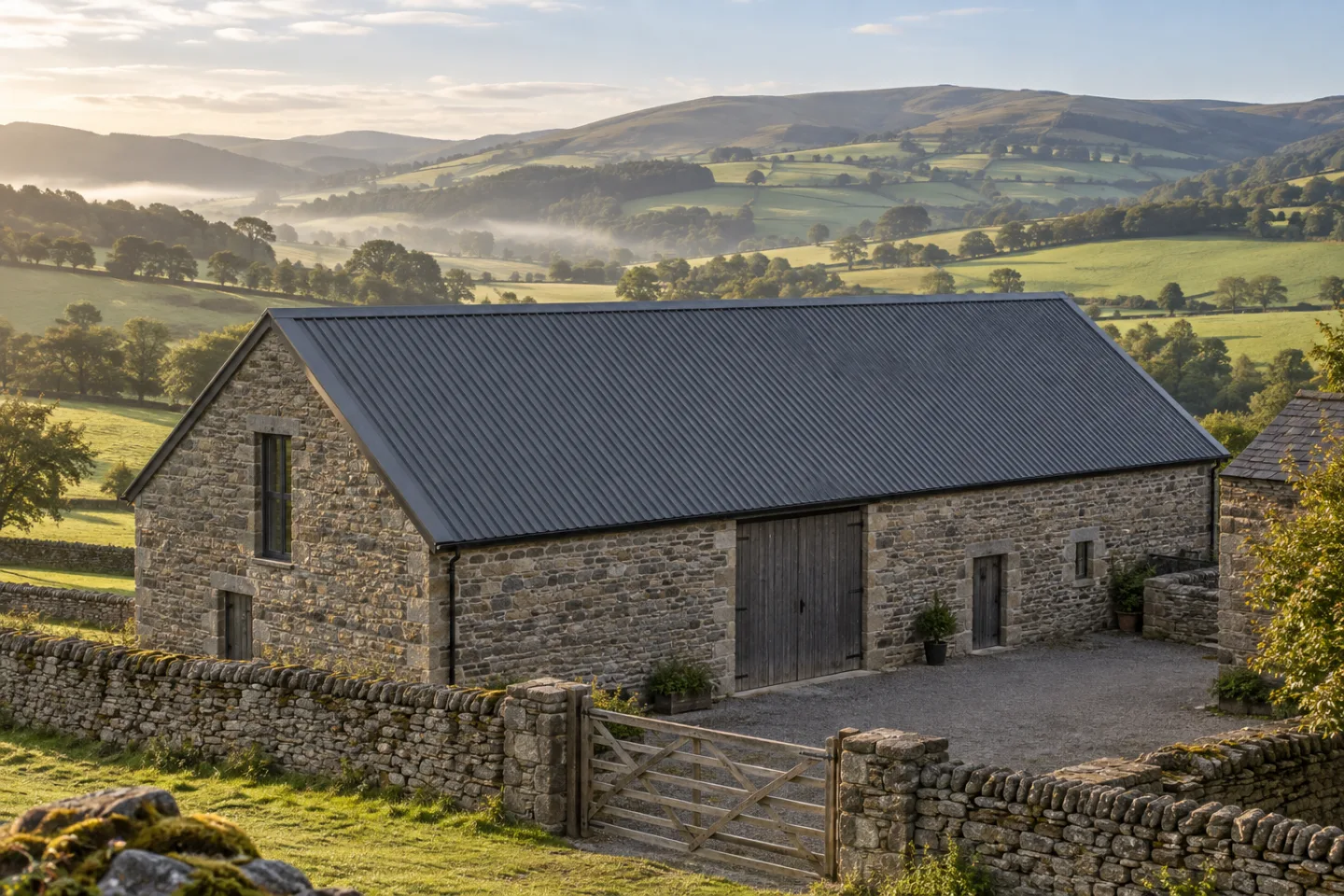
Agricultural and barn roofing
Re-sheeting, repairing and re-roofing farm buildings: stone barns, Dutch barns, cattle sheds and workshops, in steel sheet, fibre cement or slate.
Learn more →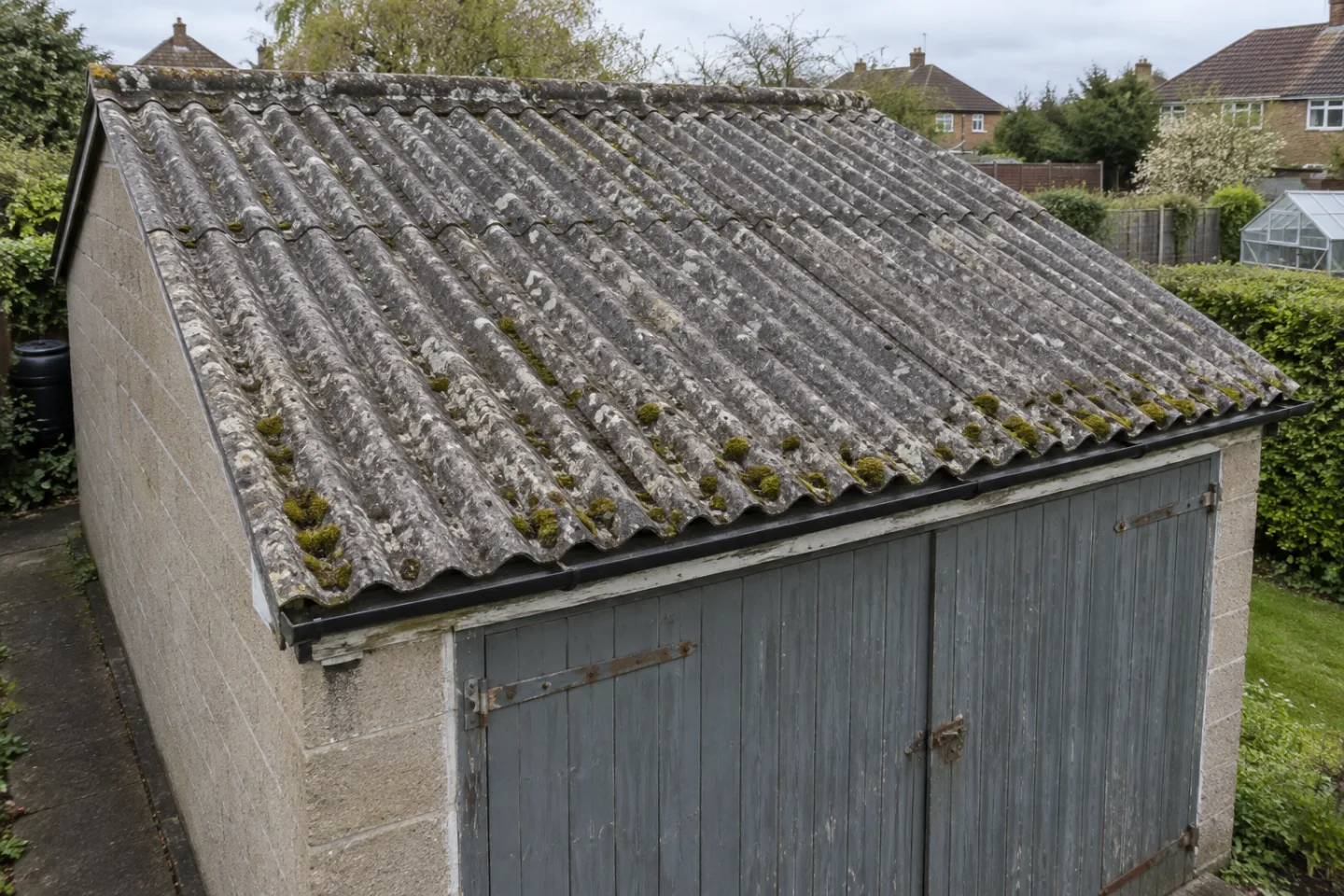
Asbestos-cement roof replacement
Garage, outbuilding and farm roofs in asbestos-cement sheet, removed under the HSE's rules and replaced in fibre cement or steel.
Learn more →Before you ring
Questions we get asked about leadwork
How much does leadwork cost?
The Lead Lads' 2026 guide gives simple lead roofing at £90 to £140 a square metre, standard work at £140 to £250 and complex or heritage work at £250 to £400 and above, with flashing priced by the metre. Small flashing jobs are often priced as a half-day with materials.
Is lead being replaced by anything better?
Lead-free flashing products exist and suit some jobs, but on an old building lead remains the material that lasts and that conservation officers expect. The scaffold and the roofer's time cost the same either way.
POWYS & CEREDIGION
Your roof. Your next step.
Describe the job and your location. Your enquiry goes to one local roofing firm, who can discuss the work and arrange a written quote.