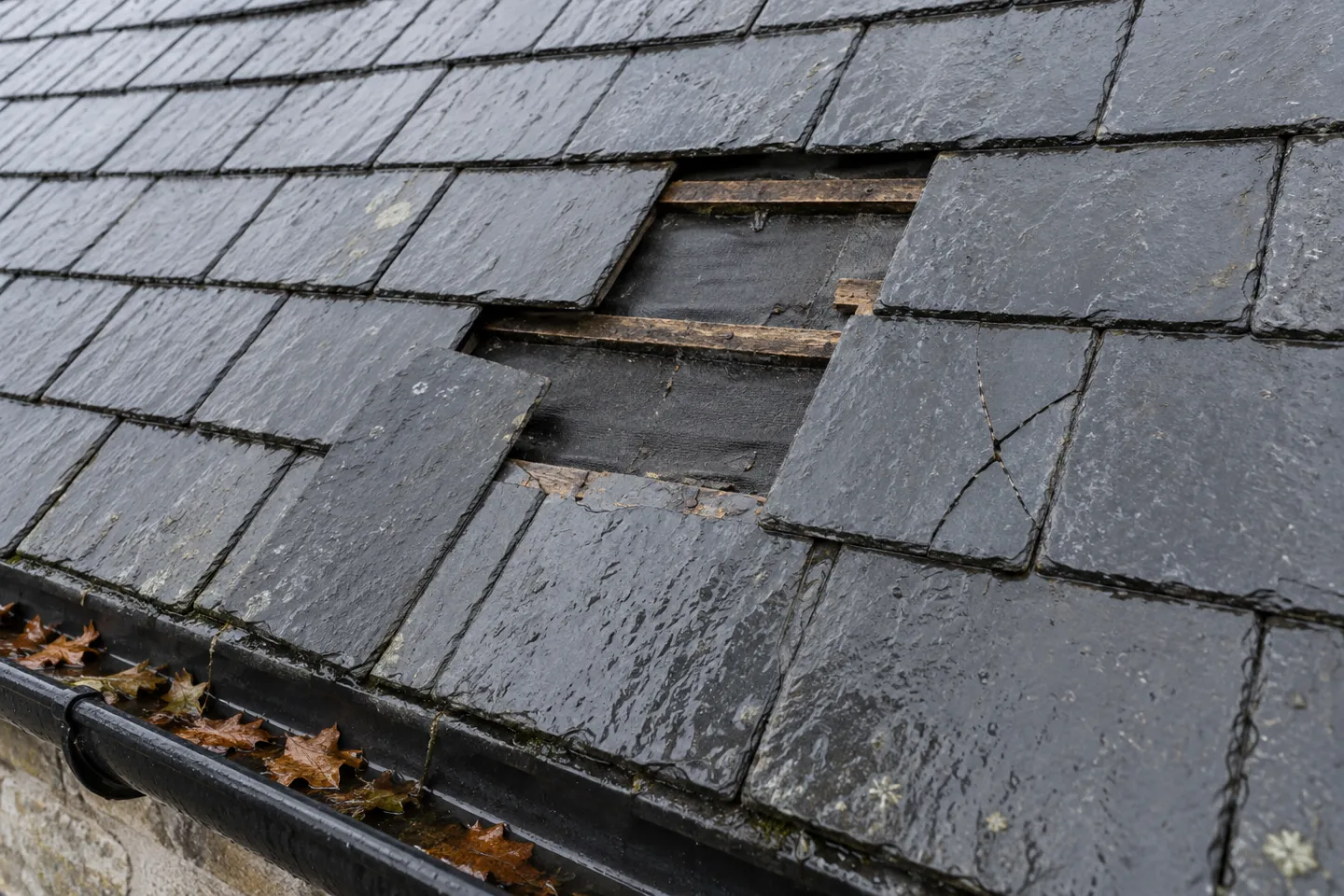
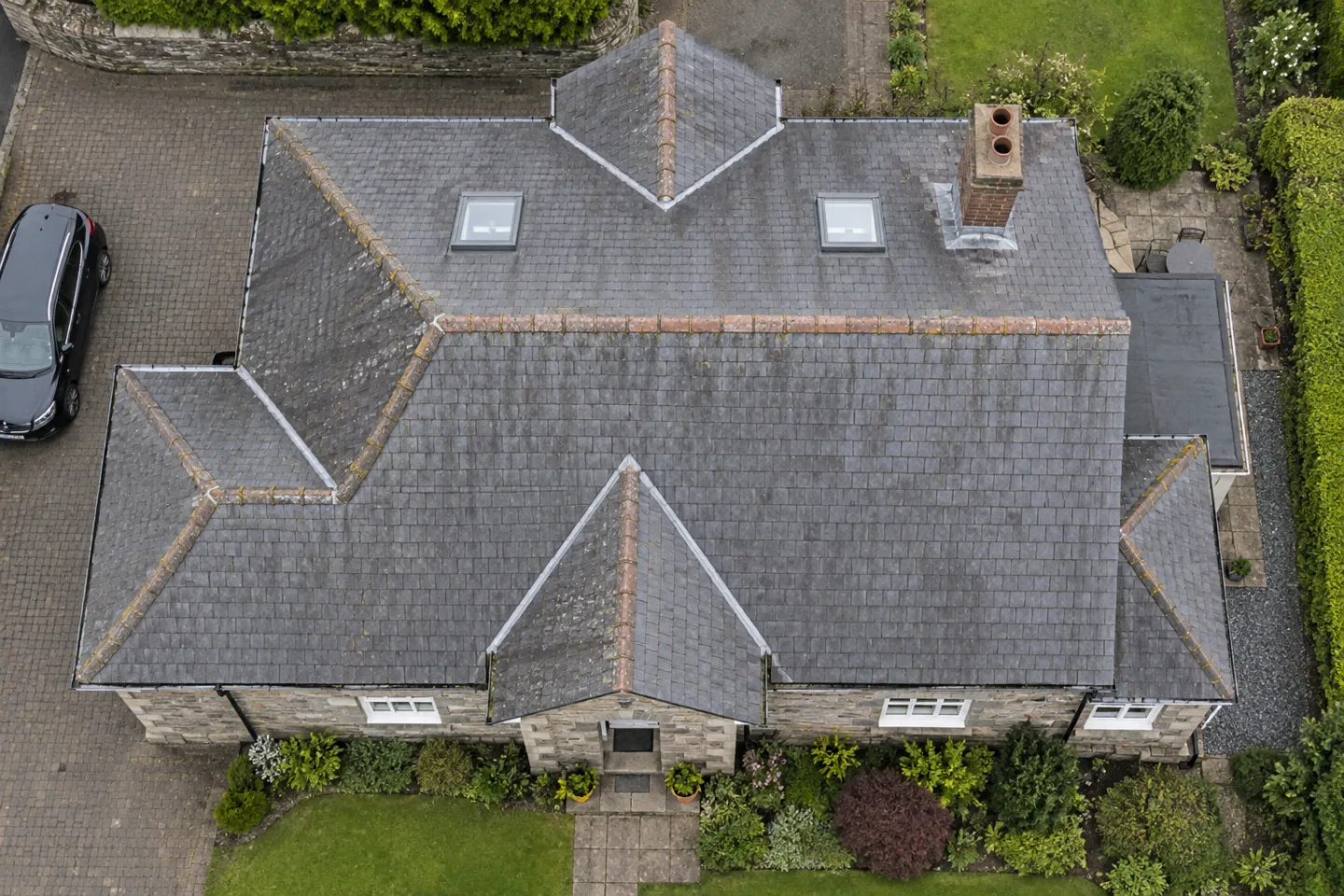
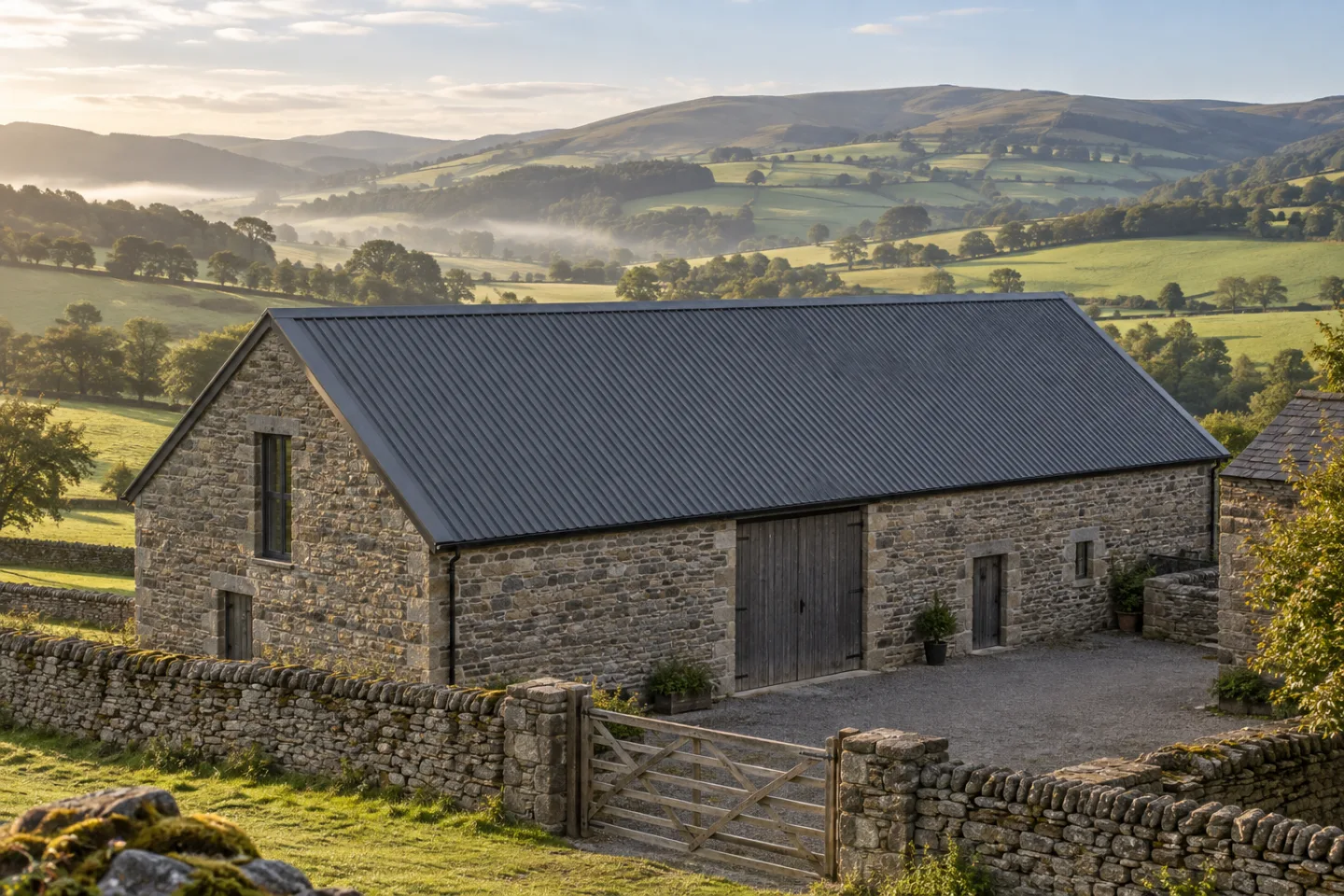
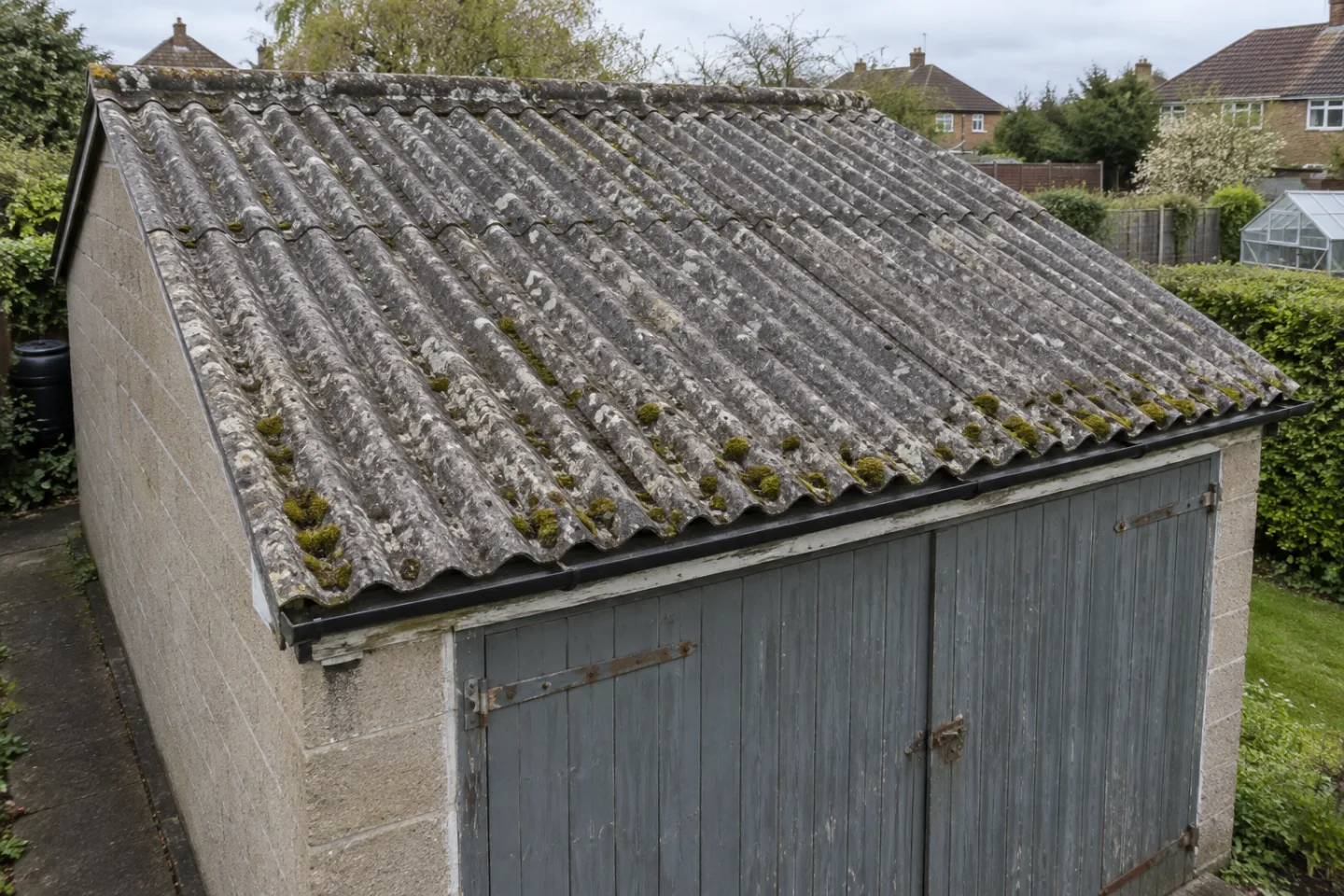
A roof gets replaced when repairs stop making sense: slates slipping every winter, nail sickness across the whole slope, felt that has turned to dust, or a roof that was re-covered cheaply in the 1970s and has never been right. Across Powys and Ceredigion most of the roofs that reach that point are natural slate on Victorian or older timbers, and the job is a strip, inspect and re-cover rather than a patch. Tell us about the roof and we put you in touch with a local roofer who does this work, who will look at it and give you a written price.
What a full re-roof involves
Stripping the old covering
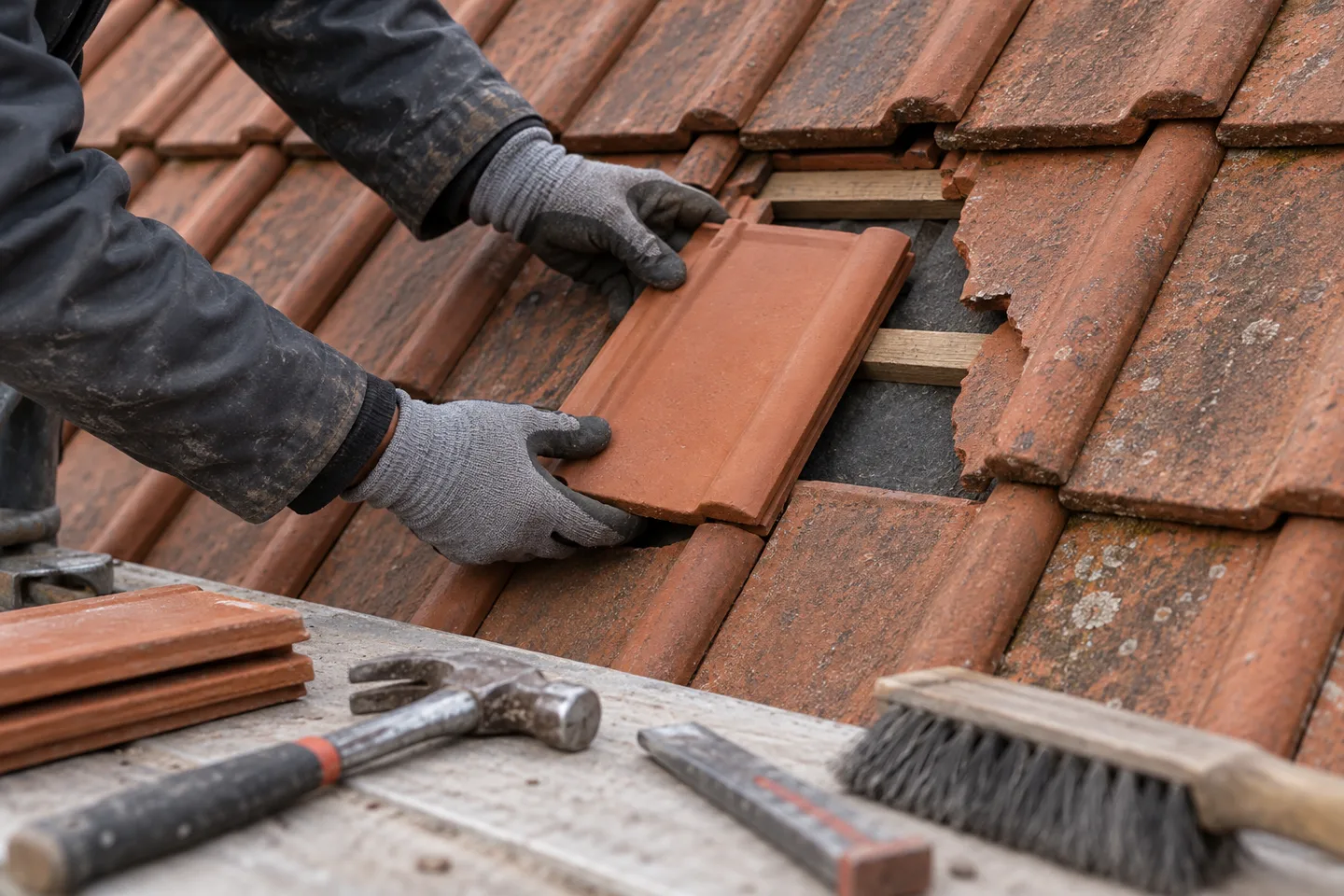
The slates or tiles come off and are sorted: sound Welsh slate is worth keeping and is often re-laid on the front slope, with new slate making up the numbers on the back. Old battens, felt and any rotten sarking come off with them.
Inspecting the timbers
This is the moment to find out what the roof has been hiding. Rafter ends, wall plates and valley boards are the usual casualties in a wet climate, and the price should allow for a reasonable amount of timber repair, with anything beyond it agreed before it is done.
Membrane, battens and the new covering
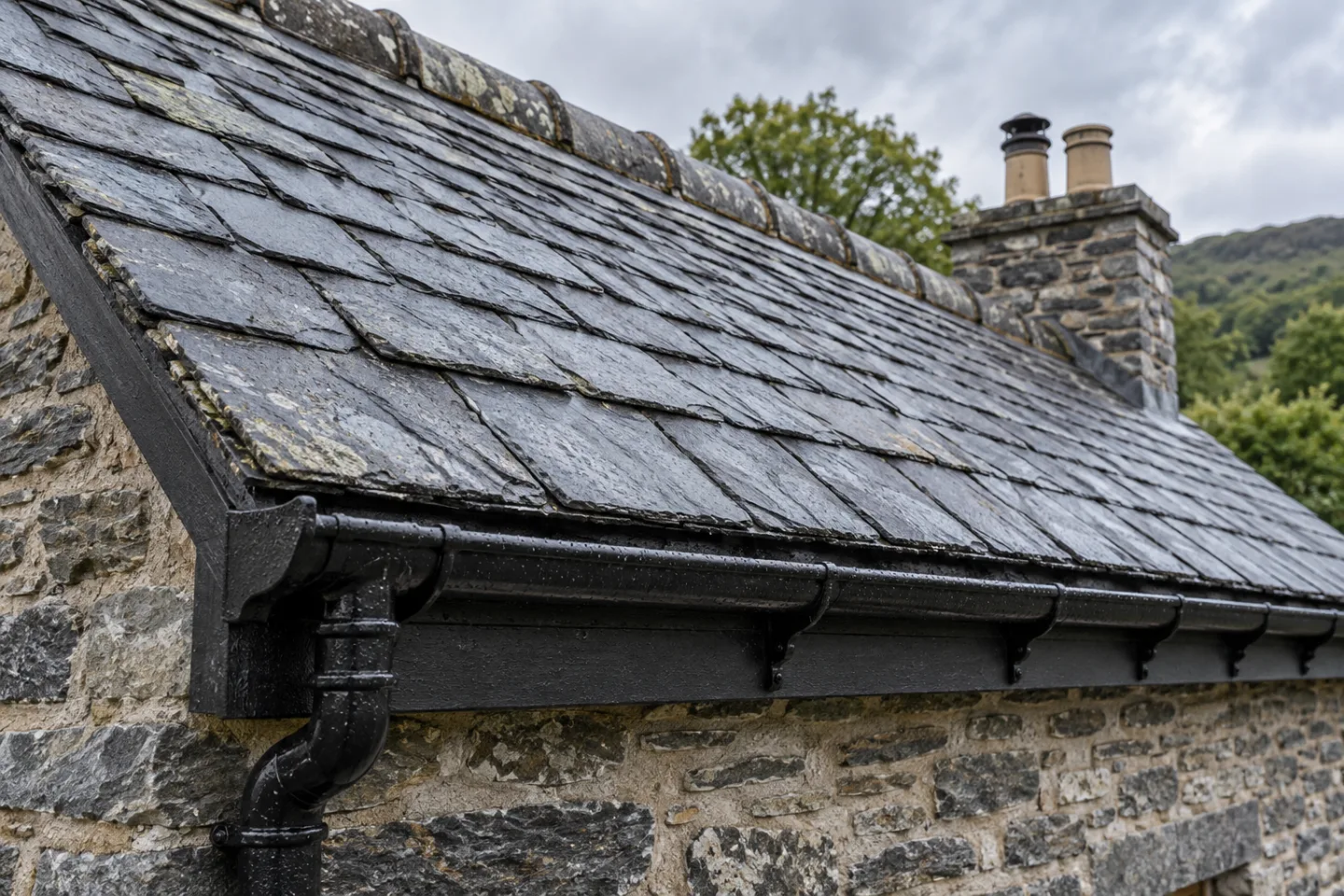
A breathable membrane, treated battens set to the right gauge for the slate size, and the covering laid back with copper or stainless nails so the next roof does not suffer nail sickness. Ridges and hips are either bedded in mortar as they were, or fitted as a dry system where the exposure justifies it.
Leadwork, chimneys and ventilation
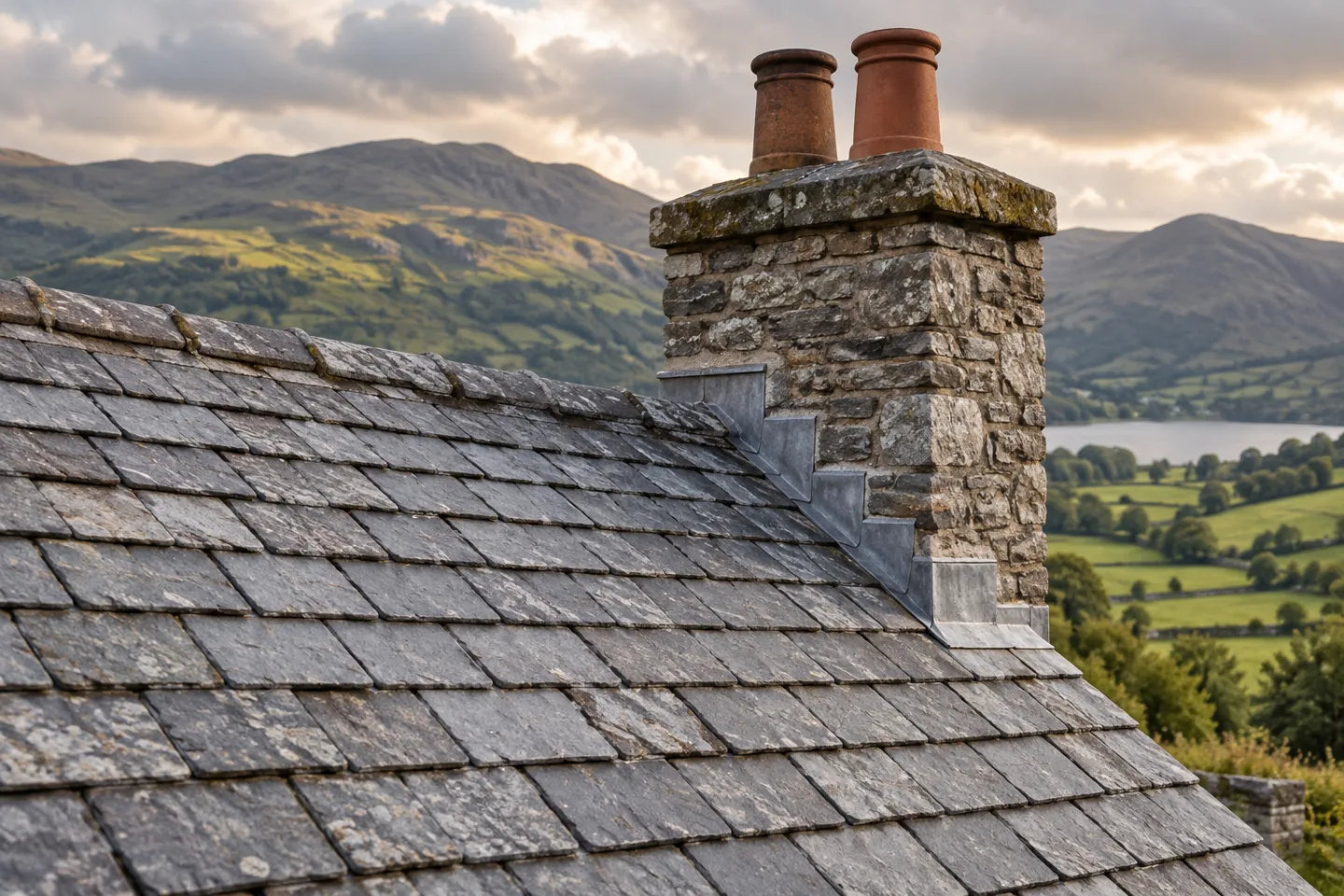
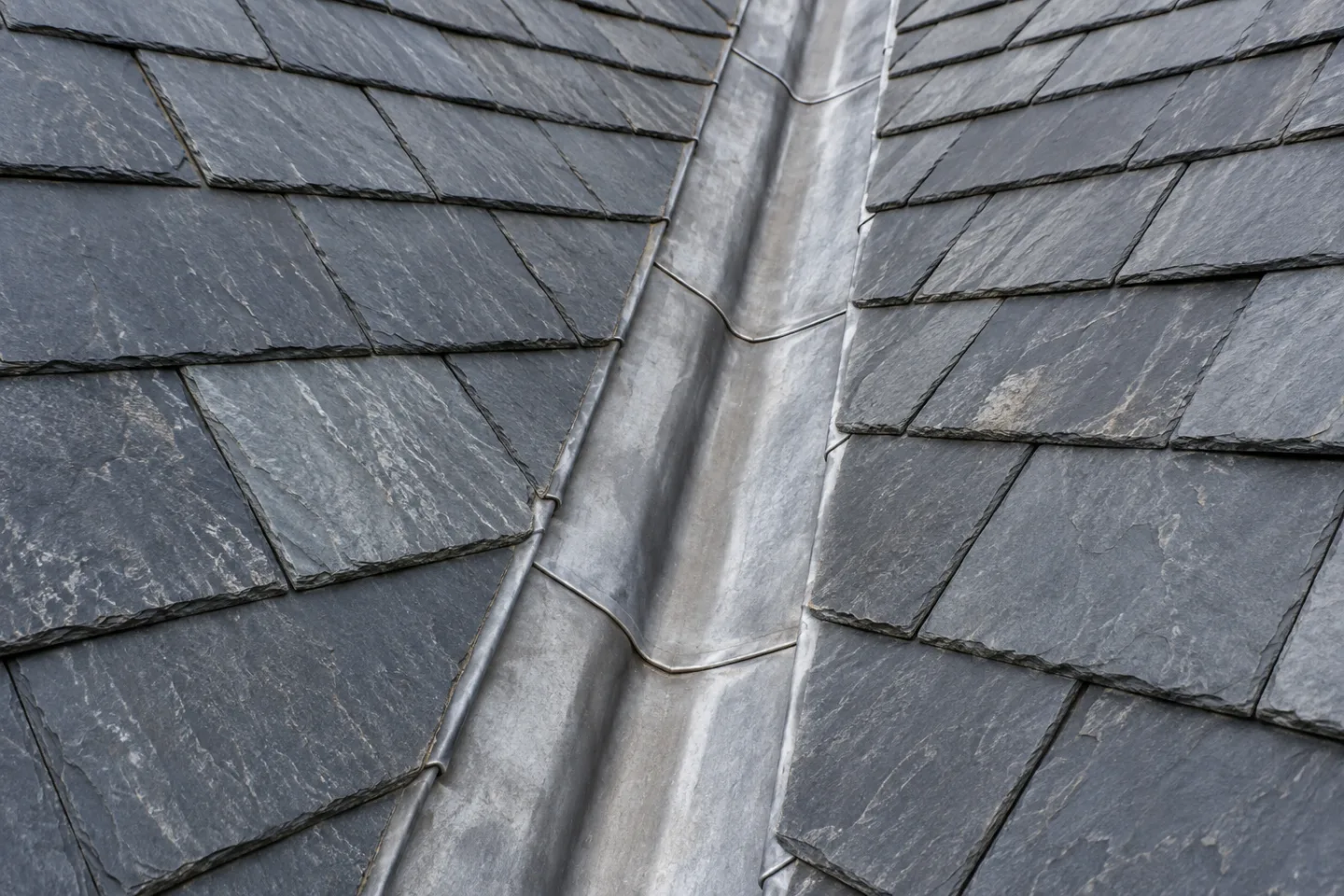
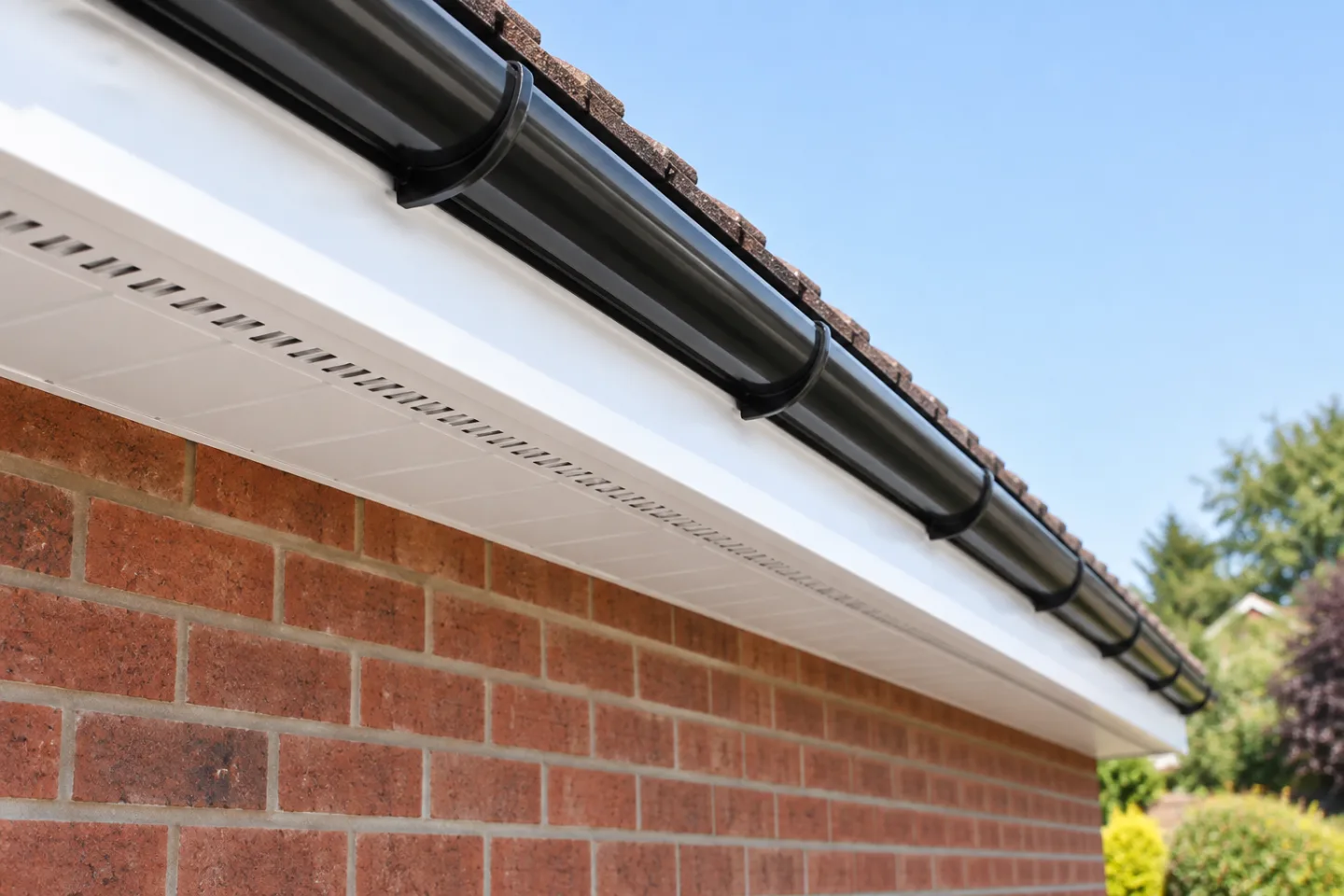
A re-roof is the one time the flashings, valleys and chimney trays are cheap to renew, because the scaffold and the access are already there. Good roofers include them in the quote rather than leaving old lead under new slate. Ventilation at the eaves and ridge is added where the old roof had none, which is most of them.
How it works through us
- You tell us about the roof. The town, what is wrong, roughly how old the house is and whether anyone has been up to look. Photographs from the ground help.
- We pass it to one local roofer. A firm that covers your town and does re-roofs, not a list of ten who will all ring you.
- They visit and quote in writing. You get a price with the work set out, including the timber allowance and the lead, so it can be compared properly against any other quote.
Materials and standards
Natural Welsh slate is the expected covering in the conservation areas and national park land that cover so much of this region, and on an old house it is usually the right answer even where nothing requires it. Spanish and Brazilian slate, fibre-cement slate and concrete or clay tile are the alternatives, each with a different weight, life and look; a roofer should explain the trade-offs rather than quote one option. Work on a roof over 50 per cent of its area comes under Building Regulations in Wales, and the installer either self-certifies through a competent person scheme or the work is notified to the council.